
How to Get Wisconsin Court Records
WCCA is the place to start a Wisconsin docket search. Pull the case number there, note the county, and see who holds the file. The county Clerk of Circuit Court keeps the actual papers. The office handles inspection and copies. It also fixes errors in case details. Probate, juvenile, and municipal matters may sit with different local staff instead.
Getting the file itself can take a written request under the Wisconsin Public Records Law. Judicial rules and local procedures govern Wisconsin court records too. A generic plea to state administration will not fetch a county case file. Ask the custodian directly about inspecting papers, plain or certified copies, and transcripts. Also ask about payment, delivery, and older-file retrieval. The Wisconsin county directory links to each local court.
Every county does it a bit differently. Some Wisconsin court sites accept web forms. Others steer people toward email, fax, mail, phone, or the counter. Confirm the office's delivery, payment, and personal-information rules before you send a Wisconsin copy request. The county holding the case file sets its own accepted method and instructions.
- Search WCCA for the Wisconsin case; note its county, number, and event date.
- Use the court-system contact directory to find the county clerk; check probate or juvenile routes.
- Check the county website for file-age notes, accepted mail, email, fax, in-person requests, and payment.
- Call or visit the clerk if the Wisconsin record or access route is unclear; courthouse terminals provide WCCA.
- Name the filing, order, judgment, or event date; say whether you need inspection, copies, or certification.
- Follow the custodian's delivery and payment instructions; request certified copies from the file-holding county.
WCCA Shows Wisconsin Dockets, Not Files
Wisconsin Circuit Court Access shows the public side of a case: fields, dates, filings, orders, and Court Record entries. What it does not give you is the filings themselves or transcripts. A Documents label is not a public PDF. To read actual papers, ask the originating county courthouse. Expect that sealed or confidential items stay unavailable even in person. Public terminals show the same WCCA display. The county clerk controls access to the file itself.
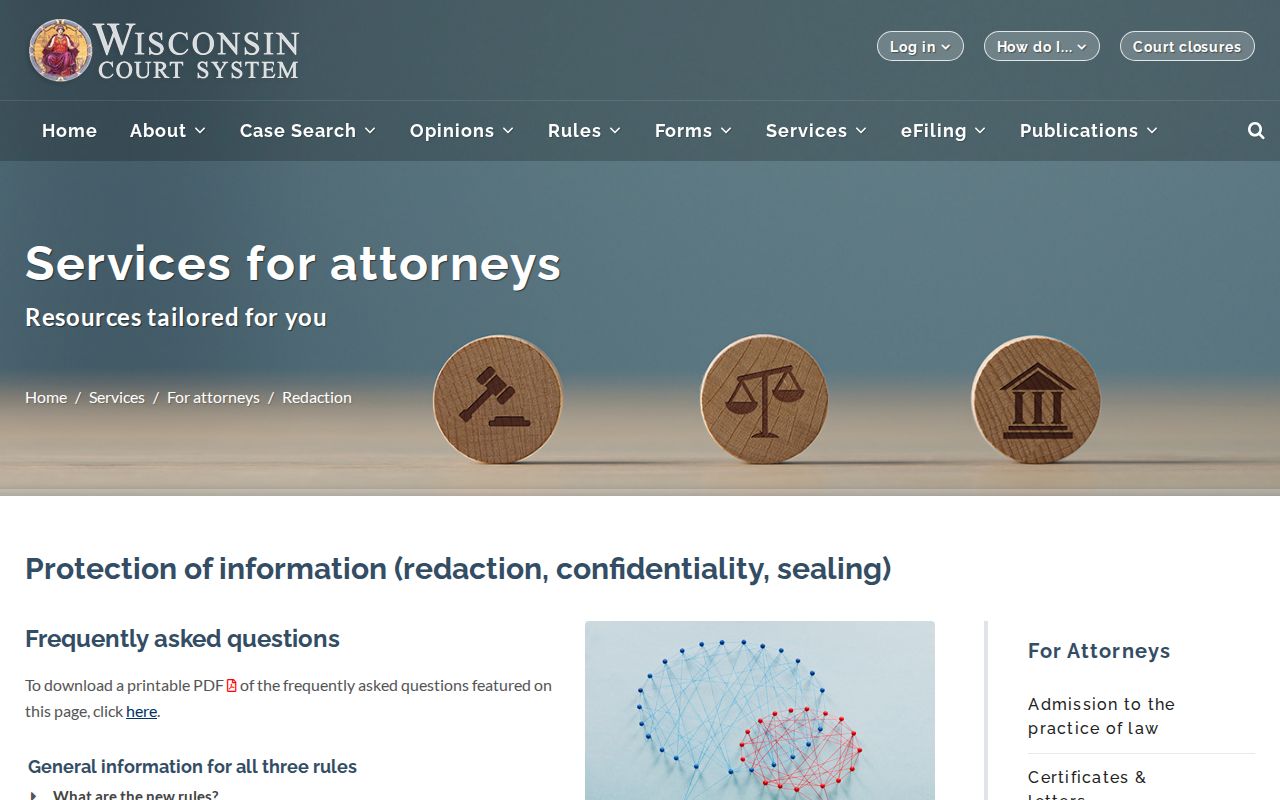
The judiciary's Wisconsin court-record access and redaction FAQ explains what appears publicly. It also covers what stays protected. That official page is an information screen, not a case record.
For Wisconsin filings, ask the clerk whether a paper can be inspected under access rules. Then follow the office's steps for copies. Protected or sealed material may be withheld.
The statewide display tells you what the case is. The paper or electronic file lives with its county custodian, so contact that office once the docket entry points you there.
Types of Court Records
A Wisconsin circuit file can hold many items. Complaints, petitions, answers, motions, notices, affidavits, exhibits, signed orders, judgments, and financial records all qualify. The docket itself is different. It is a chronological index of events, not the full text of each document. A judgment or lien may get its own index entry. A reporter, not the clerk, handles transcripts and audio.
Not every record sits with the circuit clerk. The Register in Probate maintains probate files. Juvenile access is restricted. Municipal clerks keep local ordinance and traffic records unless a separate circuit case follows. So the right holder depends on where and how the matter was filed. Wisconsin circuit case categories span criminal, civil, family, small-claims, probate, juvenile, and state traffic matters. A municipal-ordinance docket stays with its municipality unless a separate Wisconsin circuit action follows.
Name the Wisconsin Court Document
Be specific when you ask Wisconsin court staff for a document. Give the case number. Add the rough date and the exact item. A request like "the order entered after the motion hearing" beats a vague one. Remember that a filing, an order, a judgment, a docket event, a transcript, and an audio recording differ. Each may take its own route or production step.
- Filing
- A Wisconsin document submitted to court and placed in the case file.
- Order
- A Wisconsin court directive; its docket entry may summarize the separate signed text.
- Judgment
- A formal decision or amount; ask for a certified Wisconsin judgment when official proof is needed.
- Transcript or Audio
- A Wisconsin proceeding record handled through the reporter or clerk's referral route.
Wisconsin dockets often repeat similar entries across cases. Add the event date or title. Then the clerk can pull the right item the first time. Want a transcript or audio from a Wisconsin court? Name the proceeding date. Court reporters produce transcripts, and that work sits apart from ordinary page-copy service. Note: Naming the filing or event helps the clerk. The clerk can then tell an order apart from its docket summary or transcript.
What a Court Record Contains
A Wisconsin circuit court file holds the case identifiers plus the actual papers behind the public event history. WCCA summarizes fields. The county record may include a petition, motion, order, judgment, exhibit, transcript, or payment record. What is there varies by case. Match the Wisconsin case number and filing date to connect an online event with the document behind it.
A Court Record entry is not the order itself. A public label does not mean an image is online. Statutes, court rules, or a sealing order can limit access. Common Wisconsin file parts follow.
| Case Number and Caption | Identify the Wisconsin case and its party roles or short title. |
|---|---|
| Pleadings | Wisconsin petitions, complaints, answers, motions, and other filed papers. |
| Orders and Judgments | Wisconsin signed directions or decisions; request the actual document. |
| Docket Sheet or Court Record | Chronological Wisconsin entries for filings, hearings, and other action. |
| Exhibits and Attachments | Filed materials, subject to Wisconsin access and sealing rules. |
| Audio and Transcripts | Wisconsin proceeding record requested through the court reporter or clerk. |
| Judgment and Receivable Data | Case summary of a Wisconsin amount, satisfaction, or payment balance. |
A Wisconsin file can hold documents that never appear in the online summary. So ask for the item itself, not just its docket label.
Event details in Wisconsin court records may show parties, dates, charges, judgments, or receivables. It depends on the case type. Those fields help you target a filing request. They do not prove any document is online.
Wisconsin Court Files Start with County Clerk
Every Wisconsin circuit court case file sits with the county Clerk of Circuit Court. The clerk records orders and case events, keeps the papers, and handles inspection and copies. Start at the Wisconsin clerk contact directory. That directory gets you the right office fast. Probate matters may go to the Register in Probate instead, and juvenile or municipal files sometimes live with another local office.
The statewide system does not replace the clerk. For a missing filing, a correction, a certified copy, or an older paper record, ask the office that holds the file. The Director of State Courts Office runs statewide administration. It does not keep county case papers.
Appeals run through WSCCA or the Clerk of the Supreme Court and Court of Appeals. Federal cases are separate. Those dockets live in the official PACER access system or the federal court itself, each with its own custodian.
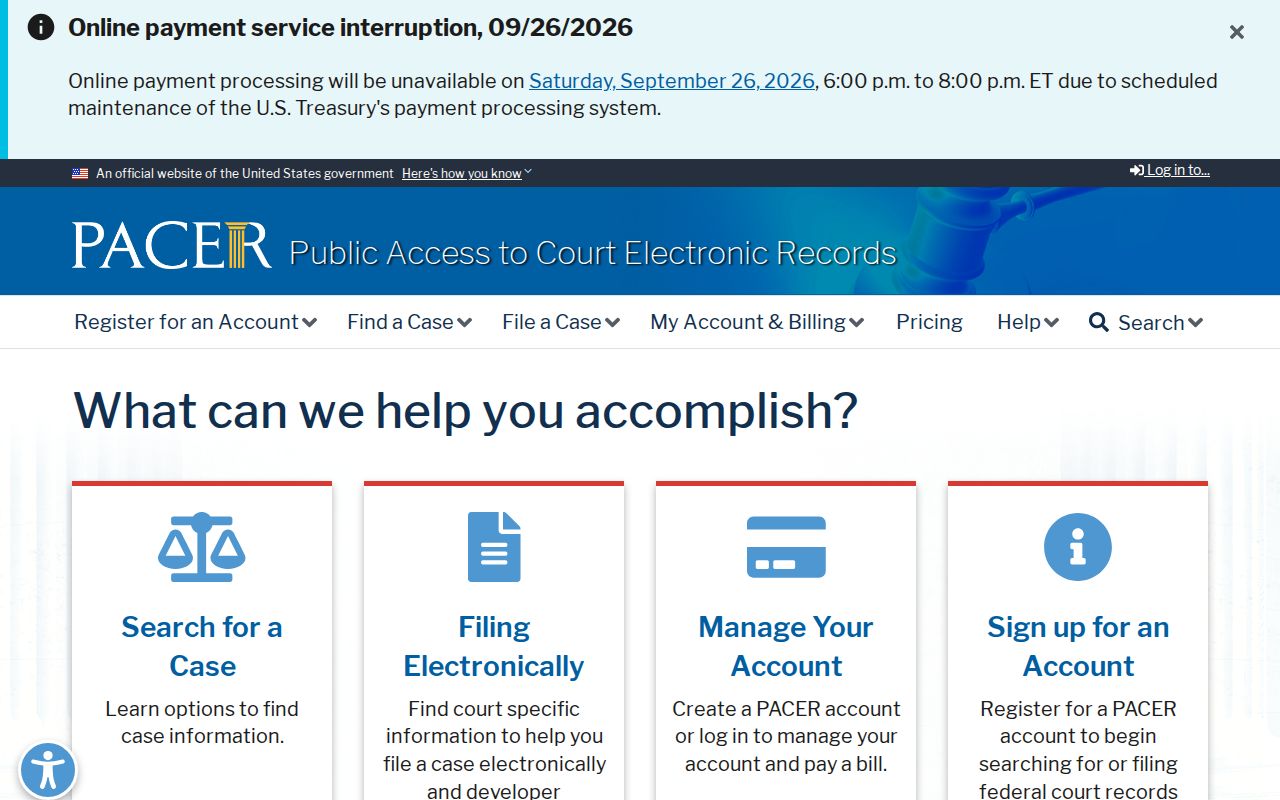
Federal case documents and their access charges follow PACER rules. Wisconsin county clerks do not keep those federal dockets.
Appellate files stay with the appellate clerk. Municipal and federal records have their own custodians too. So a county circuit clerk cannot certify every Wisconsin court record you might need.
Certified Copies and Fees
A plain copy just reproduces the court record. A certified copy carries the clerk's authentication. An exemplified copy adds another layer, so tell the Wisconsin clerk what the copy is for. The 2026 circuit-court fee chart, updated September 2, lists the copy and search charges for Wisconsin court records, while delivery and postage follow local instructions.
Fees vary by custodian and copy type. A Register in Probate charges different rates. Transcripts go through the court reporter rather than ordinary clerk copy fees, so confirm the current chart and local payment instructions before sending any money.
| Wisconsin Record Service | 2026 Fee | What to Confirm |
|---|---|---|
| Wisconsin circuit clerk court-record copy | $1.25 per page | Ask how pages are counted and delivered. |
| Wisconsin circuit clerk certified court-record copy | $5 per document plus $1.25 per page | Includes attestation and comparison to the copy. |
| Wisconsin case-file search with no case number | $5 per action | Confirm this fee applies to the request. |
| Wisconsin exemplified court-record copy | $15 plus copy and page fees | Postage or further procedure may apply. |
| Wisconsin Register in Probate court-record copy | $1 per page | Probate rates differ from circuit-clerk rates. |
| Wisconsin Register in Probate certified court-record copy | $3 plus $1 per page | Ask whether this office holds the file. |
The official Wisconsin circuit-court fee chart sets these court-record amounts. Mailing, electronic delivery, card processing, and transcripts can each carry separate charges. Copy fees also differ from filing fees and WCCA search access. Your total depends on page count and how many documents you order. Ask whether certification applies to each item. Ask, too, whether local delivery or retrieval adds a cost.
Note: Ask the Wisconsin custodian to confirm the total before payment. Certification, retrieval, and delivery requests each can change the bill.
If a Wisconsin Court File Is Old
Before you travel or order copies, ask a question. Is the older Wisconsin court file on site, or does it need retrieval? Age, case type, and local storage all affect timing. A retention period does not promise the paper is at the counter or indexed online.
Dane County's court-record information explains its own on-site inspection rules, age limits, and retrieval. That retrieval may take several days. This is one county's process, not a Wisconsin-wide timeline. When you contact a clerk, include the year, caption, number if you know it, and the exact item. The clerk can walk you through storage and lead time.
Call ahead. An online case entry and the Wisconsin paper file behind it can differ. Availability and retrieval dates may not match.
Public Access and Sealed Records
Public access to Wisconsin court records has limits. Not every file is open, online or in person. Juvenile records, protected information, confidential categories, and sealed documents each follow different rules. Redaction, sealing, retention, and expungement are not the same thing either. A clerk can explain access; only a judge decides a motion to seal.
Wisconsin access rules: Wis. Stat. §§19.31-19.39 set the Public Records Law framework, including a response as soon as practicable and without delay, not one fixed period for every court request. Section 59.20(3) addresses county-clerk custody and public inspection duties.
Wis. Stat. §801.19 covers protected numbers; §801.20 identifies records confidential by statute; and §801.21 sets the motion process for a judge to seal a court record.
Wis. Stat. §48.396 and §938.396 restrict child-welfare and juvenile records. Section 973.015 permits limited criminal expungement, not automatic deletion of every dismissed case.
Wisconsin Court Access Rules Have Layers
Wisconsin court records answer to several layers at once. Statutes, judicial rules, case law, public-information policy, and local custodian practices all apply alongside the Public Records Law. You do not need a formal request to inspect an ordinary public file. Executive-branch response timing is not a uniform court deadline. Start with the case clerk.
The layers do different things. Redaction hides specific information; confidentiality restricts a whole category by law; sealing follows a judge's order. WCCA suppression and retention differ as well. A case can leave online display while its Wisconsin file stays subject to a retention schedule. Suppression online does not mean the file was destroyed, so ask the custodian which statute, order, or retention rule controls.
Note: Wisconsin's public-records rules inform access, while judicial statutes, court rules, and local custodian procedures also govern court files.